
Why Basic Tax Prep Is Not Enough Anymore
If you earn a high income, basic tax prep can feel like enough. You gather your documents.You send them over.Your return gets filed.You move on. That works. Sort of. The problem is that filing a tax return and planning your taxes are not the same thing. A lot of high-income earners do not realize that…
Read MoreWhat If Building Wealth Has Nothing to Do With Beating the Market?
April has a funny way of making people question what they believe. You see headlines. You hear market chatter. You watch someone online talk about the “next big move” like they cracked some hidden code. For a moment, it can feel like wealth belongs to the people who guess right first. But maybe that is…
Read MoreWhy High-Income Earners Get Hit with Estimated Tax Penalties
April can feel a little deceptive. You think you did the responsible thing. You earned well. You filed the extension. You planned to clean it all up at tax time. Then your return shows a penalty, and suddenly tax season feels less like a deadline and more like a gotcha. That is the April Fools…
Read MoreBefore You Write Off That Trip: Travel Deduction Rules

Travel can blur the line between business and personal spending fast. One dinner turns into a weekend stay. One conference adds a family day. One flight feels work-related, but not every part of the trip actually counts. That is where people get into trouble. “Before you write off that trip” really means this: before you…
Read MoreHow Poor Recordkeeping After a Home Sale Can Create Tax Problems
Selling a home feels like a finish line. You close. You move on. You deposit the money. You tell yourself you will organize the paperwork later. And then tax season shows up. That is usually where the trouble starts. A lot of high-income earners assume a home sale is simple. Maybe the gain is excluded.…
Read MoreHow High-Income Business Owners Can Prepare for Quarterly Estimated Taxes
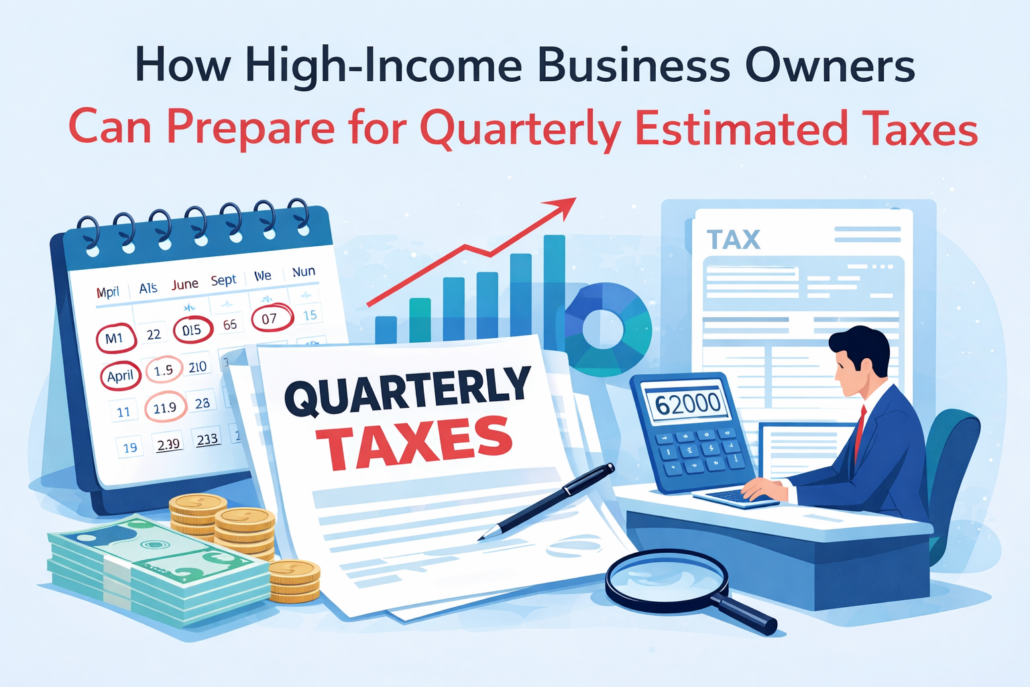
If you own a business and your income is strong, quarterly estimated taxes can sneak up on you fast. Not because the rules are impossible. Not because you are careless. Usually it is simpler than that. You are busy. Revenue comes in. Expenses go out. Maybe you are hiring, buying equipment, fixing cash flow gaps,…
Read MoreThe Mid-Year Tax Check-In Every Business Owner Should Do
If you run a business and you only think about taxes in March or April, you are probably making the year harder than it needs to be. That sounds blunt. It is. But it is also true. A mid-year tax check-in is one of those things that feels easy to postpone because nothing seems urgent…
Read MoreWhat to Do After You File an Extension
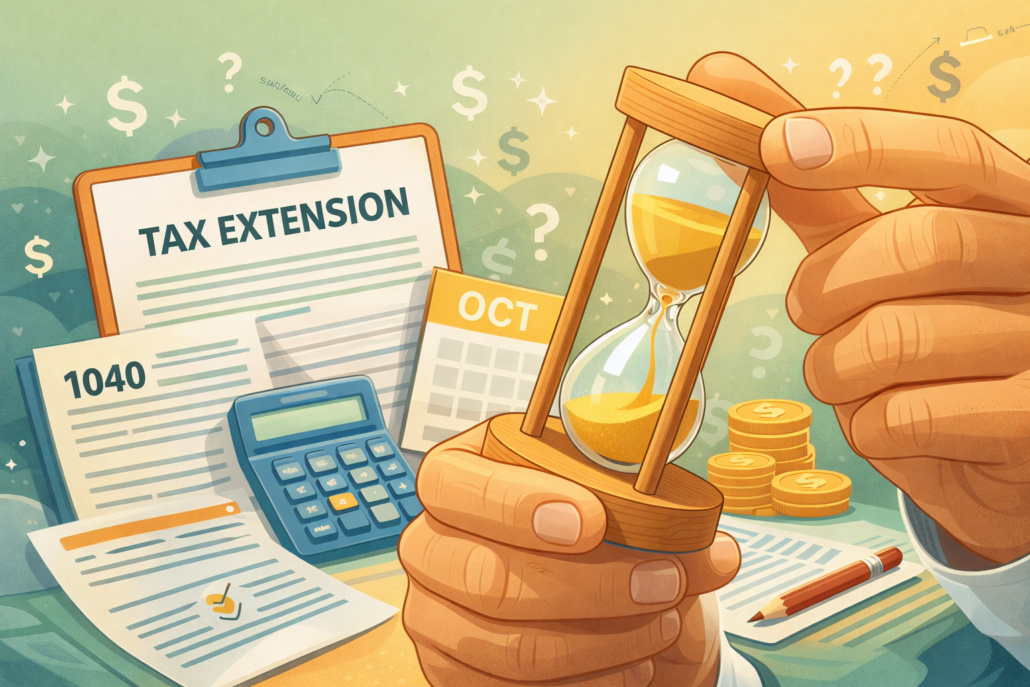
Filing a tax extension can feel like buying yourself room to breathe. And, honestly, sometimes that is exactly what it is. You were not ready. Maybe a K-1 was late. Maybe your bookkeeping still looked messy in March. Maybe you had big income, multiple entities, investment activity, or a stack of documents that kept growing…
Read MoreWhy Cash Flow Planning Matters Just as Much as Tax Planning
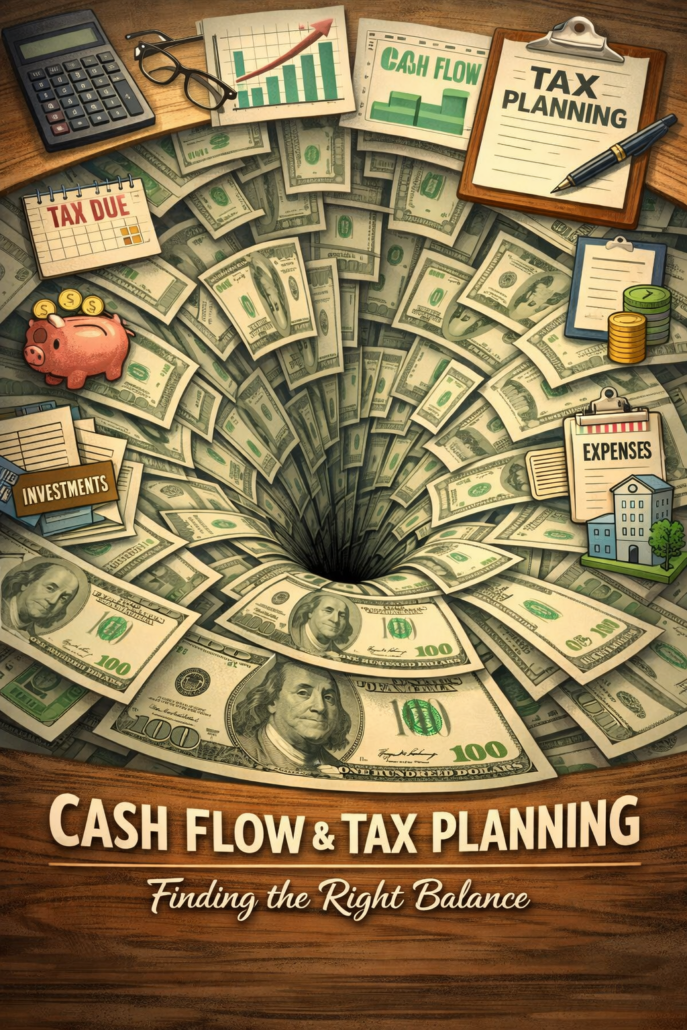
A lot of high-income business owners spend plenty of time thinking about taxes. That makes sense. Taxes are visible. Painfully visible, sometimes. You see the payment. You see the estimate. You see the accountant’s email and think, that number cannot be right. Cash flow is different. Cash flow problems often build quietly. You can make…
Read MoreLate K-1s and Delayed Tax Returns: What Business Owners Should Know

You’re ready to file. Your CPA is ready to file. Your numbers are mostly ready. And then one document shows up late and quietly wrecks the whole plan. That’s the K-1 problem. If you own part of a partnership, S corporation, certain trusts, or an entity invested in another pass-through business, you may need a…
Read More